Why AI Dashboards Need Clear Business Questions?
Why AI Dashboards Need Clear Business Questions? Natural-language analytics makes it easy to ask a dashboard a question. The harder

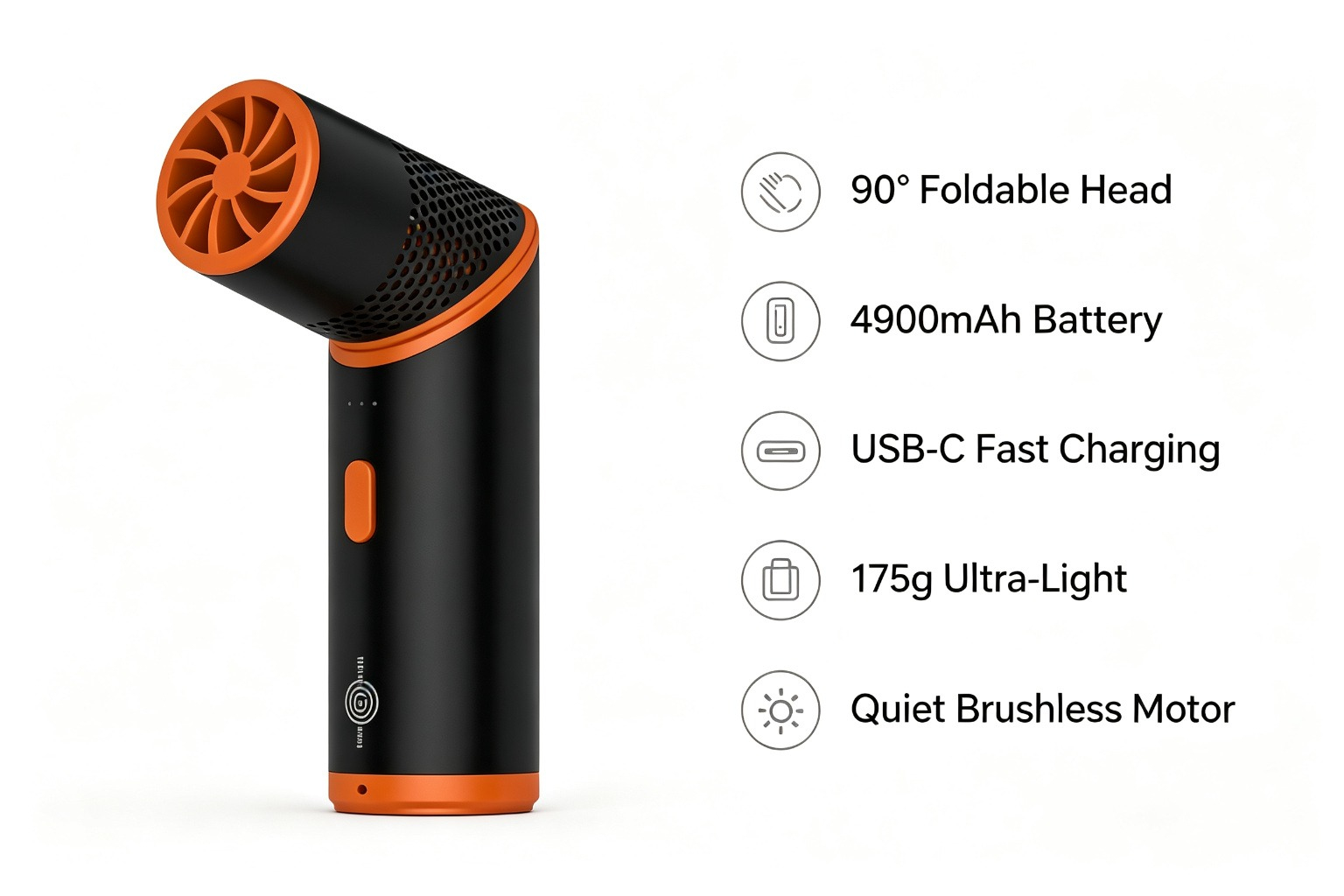
When summer heat arrives, air conditioning is not always available. A foldable handheld fan becomes a practical tool for staying cool on the move. Bulky desk fans need a power outlet. Paper fans deliver weak airflow and break quickly. Today’s rechargeable models are different. They pack strong cooling into a body small enough for a jacket pocket.
This practical buyer’s guide breaks down what makes these devices worth owning, calls out misleading product specs shoppers often encounter, and explains which features matter most and where they beat traditional cooling options.
Nobody plans to sweat through a summer commute. But air conditioning isn’t always around — it’s not on the bus, it’s not at the outdoor market, and it’s not in your backpack. That’s where a foldable handheld fan earns its place. It’s small enough to carry everywhere, strong enough to actually feel, and rechargeable, so you’re not constantly buying batteries. In this guide, I’ll cover the specs that matter (and the ones brands love to exaggerate), realistic battery life, the best scenarios for a quiet travel fan, and how to match a fan to your routine.
A foldable handheld fan fills a gap that standard fans cannot. It offers true portability without losing airflow. Desk fans need an outlet and a flat surface. You cannot use them on a walk or at an outdoor event. Paper fans need constant waving and barely move air in humid weather. The modern foldable design solves both problems. It uses a high-speed brushless motor, a built-in battery, and a head that pivots 0 to 90 degrees. Hold it at any angle. Stand it on a table. Fold it down for storage in a bag. Many models also use a grille-protected outlet. This physical barrier lowers the risk of accidental finger injuries, making them far safer for households with small children.
Case in point: last summer, a three-year-old in Hangzhou noticed the spinning fan on the coffee table and walked over to touch it. With a bare-blade desk fan, those small fingers would have met the blades head-on. With the grille-protected outlet on this foldable model, her hand stopped at the mesh — no contact with the blades, no injury. The grille adds almost nothing to the cost or weight, but it’s the difference between a short scare and a trip to urgent care.
Not every portable mini fan is the same. A few specs separate reliable models from disappointing ones. Motor speed matters most. Look for 15,000 to 18,000 RPM. This produces wind speeds of 4 to 6 m/s while keeping noise below 65 dB. Battery capacity determines runtime. A 4900mAh cell lasts 6 to 20 hours depending on speed. Charging convenience is important too. USB-C fast charging works with power banks, laptops, or wall adapters. A full charge takes just a few hours. A built-in indicator shows remaining power. Finally, true portability means low weight and small size. The best models weigh under 200g and measure less than 16cm. They slip into a handbag or backpack easily.
Not every portable mini fan performs the same. A few specs separate reliable models from disappointing ones, and all of them are worth checking before you buy: motor speed, battery capacity, charging convenience, battery indicator, and weight & size.
1. Motor speed — the most important spec. Look for 15,000 to 18,000 RPM. This produces wind speeds of 4 to 6 m/s while keeping noise below 65 dB.
2. Battery capacity — determines runtime. A 4900mAh cell lasts 6 to 20 hours depending on the speed setting you choose.
3. Charging convenience — matters more than you think. USB-C fast charging works with power banks, laptops, or wall adapters, and a full charge takes just a few hours.
4. Battery indicator — a small feature with real value. A built-in indicator shows remaining power, so you are not caught off guard mid-commute.
5. Weight & size — the real test of portability. The best models weigh under 200g and measure less than 16cm. They slip into a handbag or backpack easily.
Understanding runtime is essential for anyone who relies on a rechargeable personal fan throughout the day. Most four-speed models show a dramatic difference in battery life between the lowest and highest settings. On level one, you can generally expect 18 to 20 hours of near-silent cooling—ideal for overnight use or long stretches at a desk. Level two reduces that to roughly 10 to 12 hours, which covers a typical workday or commute. Level three provides 6 to 8 hours of stronger airflow suited to outdoor activities, while level four unleashes maximum power for 3 to 4 hours in extreme heat. If you also need a stationary option for nighttime use at home, the collapsible personal hand fan can complement your portable setup nicely. To extend overall battery lifespan, avoid running the fan continuously at maximum speed and recharge before the cell fully depletes.
Understanding runtime is essential for anyone who relies on the collapsible personal hand fan throughout the day. Most four-speed models show a dramatic difference in battery life between the lowest and highest settings — the same cell can last a full night or barely half an afternoon, depending on where you set it. Here’s what each level realistically gets you.
On the lowest setting, you get 18–20 hours of near-silent cooling. This is the mode for overnight use or long stretches at a desk, where you want airflow without fan noise competing with your sleep or your work.
Quick question: is the lowest setting actually strong enough? For stationary use — sleeping, sitting, working indoors — yes. You feel a steady breeze, not a blast. If you’re expecting a strong wind on a hot outdoor afternoon, this level will feel too gentle; that’s what levels three and four are for.
Level two drops runtime to roughly 10–12 hours, which covers a typical workday or commute. It’s the sweet spot for most office use: noticeably cooler than level one, still quiet enough not to bother the people around you.
Quick question: will it survive a full day of meetings plus commute? Usually yes, as long as you’re not blasting it at max. But if you’re outdoors in high heat for hours, expect the number to shrink — heat accelerates battery drain in lithium cells (more on that below).
Level three provides 6–8 hours of stronger airflow suited to outdoor activities like concerts, farmers markets, or hiking. The wind is clearly stronger here, which is what you need when ambient heat is doing most of the work.
Quick question: why does mine seem to die faster than 6 hours outdoors? A few culprits: high surrounding temperature makes lithium-ion cells discharge faster, and running the motor harder pulls more current. Both are normal — battery ratings like this are measured in mild indoor conditions, not a 35°C afternoon. Heat also affects your body more than the fan, so if you’re spending long hours in hot conditions, the CDC’s heat-stress guidance is worth a read.
Level four unleashes maximum power for 3–4 hours in extreme heat. This is the emergency mode — a crowded outdoor event, a hot kitchen, a stalled train — not an all-day setting.
Quick question: is it bad for the battery to run max speed all the time? It’s more about heat than wear: sustained max output heats up both the motor and the battery, and heat is what ages lithium cells. Use level four in bursts, and drop back to a lower level once the worst of the heat passes.
If you also need a stationary option for nighttime use at home, the collapsible personal hand fan can complement your portable setup nicely.
To extend overall battery lifespan, avoid running the fan continuously at maximum speed and recharge before the cell fully depletes. Lithium-ion cells prefer shallow discharge cycles; regularly draining to zero is one of the fastest ways to shorten their service life. Battery University has a detailed explainer on lithium battery care, and the U.S. Consumer Product Safety Commission also publishes practical lithium-ion safety guidance worth a look.
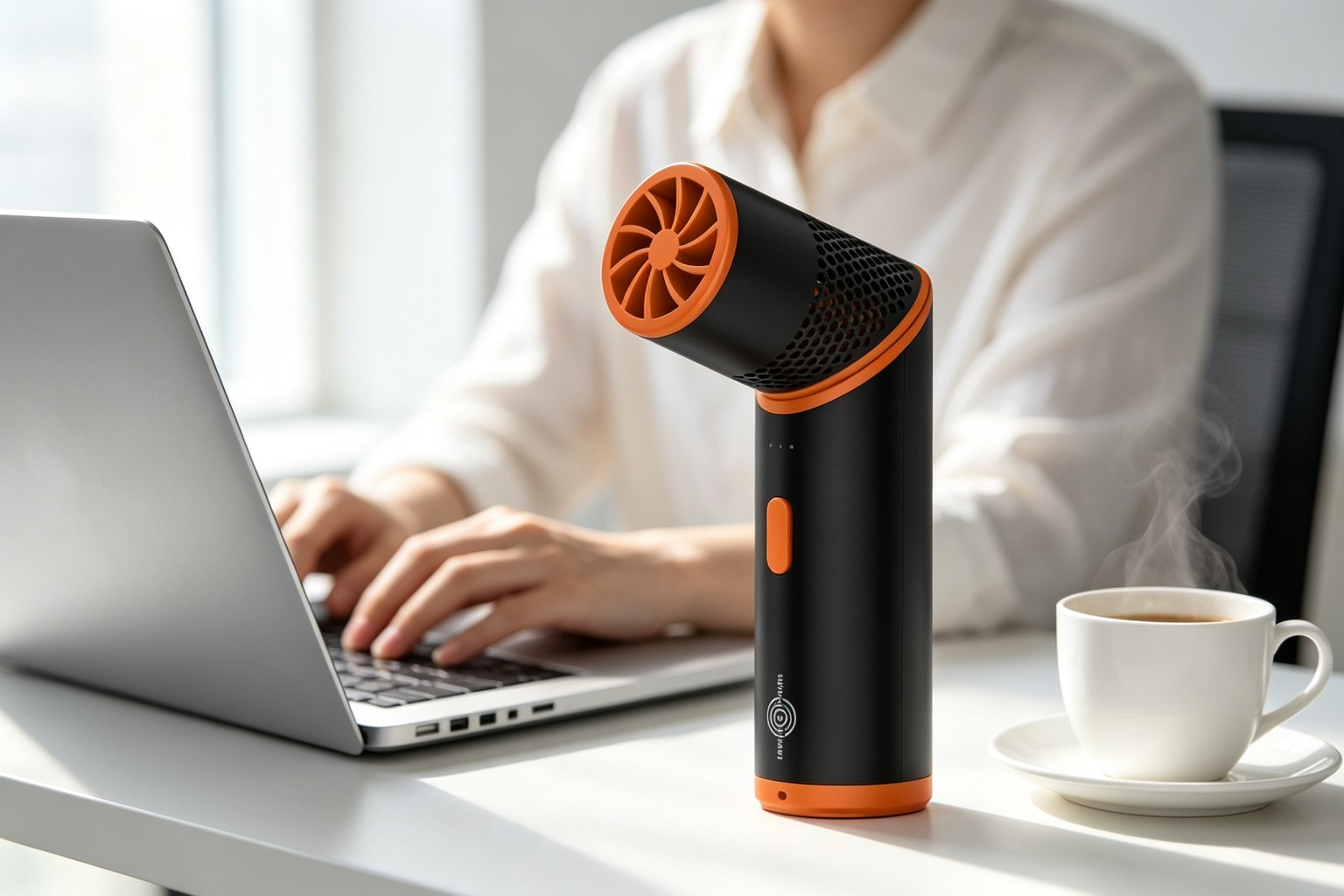
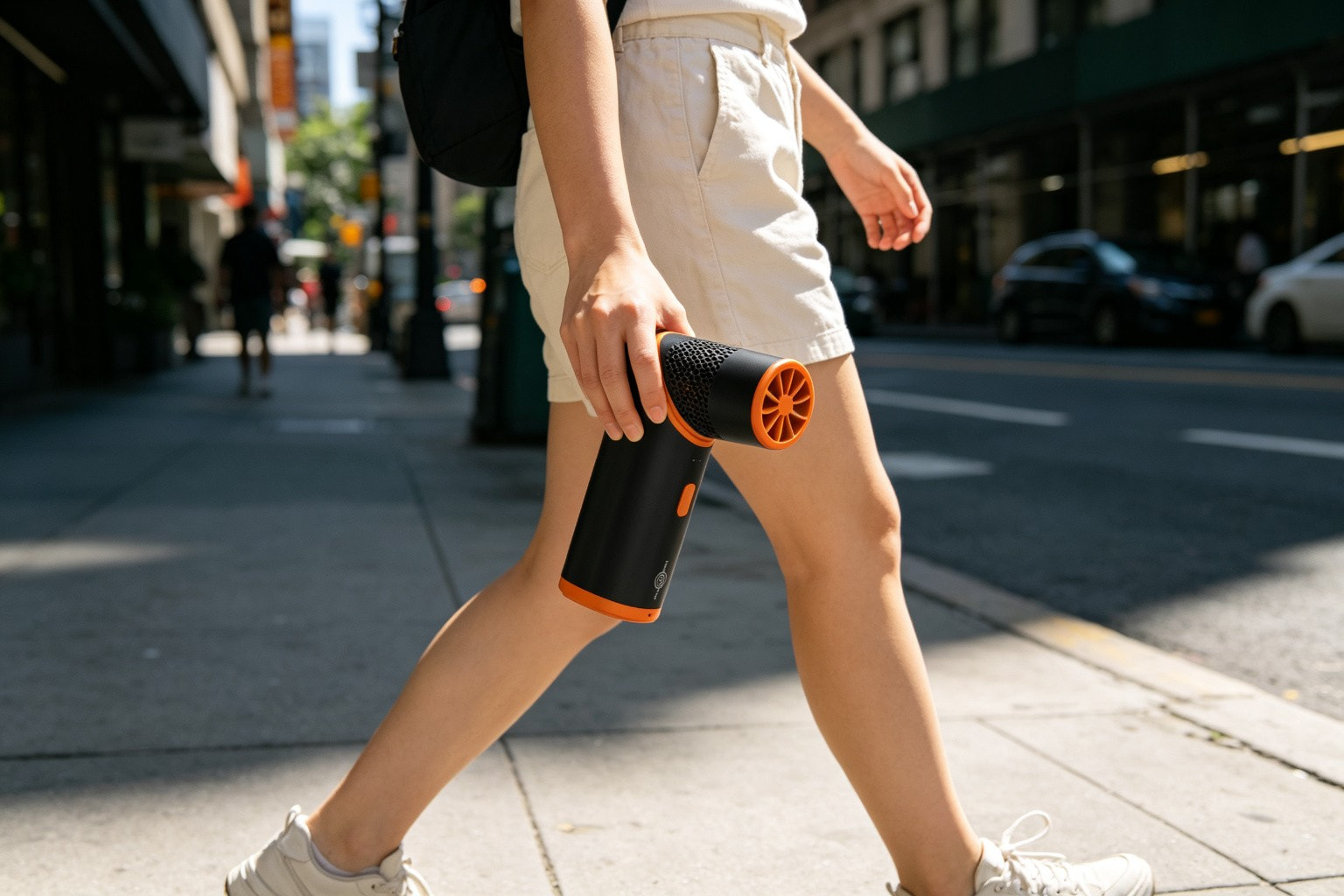
A quiet travel fan proves its value in situations where air conditioning is absent or impractical. During crowded morning commutes on subways or buses, a low-speed setting offers discreet personal cooling without drawing attention or disturbing nearby passengers. At outdoor concerts, farmers markets, or sports events, higher speeds cut through stagnant ambient heat while the compact body stays out of the way. Office workers appreciate the near-silent operation on lower settings, which won’t interrupt meetings or break concentration. For campers and day hikers, USB-C charging from a portable power bank and a featherlight build make these fans a worthwhile addition to any gear list. Furthermore, health authorities such as the CDC note that personal cooling devices can play a role in reducing heat-related discomfort, particularly for people spending extended time outdoors in warm weather.
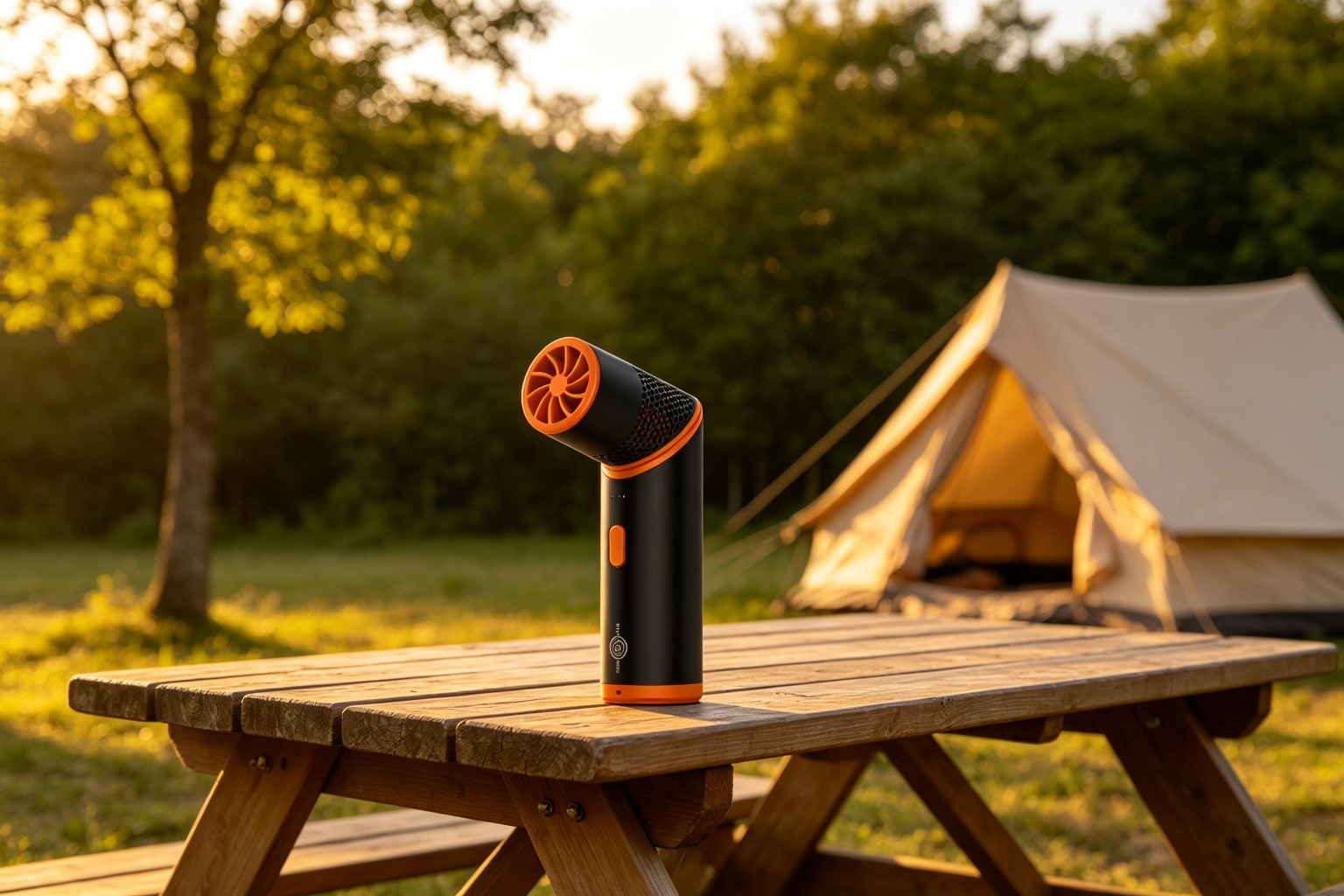
Picking the right foldable handheld fan starts with an honest question: where does your summer actually happen? If it happens on a morning train, battery life and quiet operation matter more than anything else. If it happens at weekend ball games or trailheads, you want a durable build and high top speeds. If it happens at a desk, low noise and the ability to stand upright are what you’ll actually use. Answer that one question, and the rest is easy — across the board, reliable models share the same backbone: a brushless motor, USB-C charging, an adjustable head, and low weight. Get those four right, and the fan stops being a gadget and starts being the thing you grab on your way out the door, the same way you grab your keys. Summer doesn’t care whether there’s an outlet nearby. It only cares whether you brought your own breeze.
Why AI Dashboards Need Clear Business Questions? Natural-language analytics makes it easy to ask a dashboard a question. The harder
Finding a Smarter Heating Solution for Modern Indoor Comfort A comfortable indoor environment is no longer only about increasing temperature;